Review: Self Care is Not Selfish SVG for Embroidery
As a designer who spends half my life digitizing and the other half stitching, I have learned that not every trendy graphic translates well to thread. We often see beautiful vector art that looks stunning on a screen but becomes a tangled mess under the needle. Recently, I evaluated the Self Care is Not Selfish Svg Design with a specific goal in mind: determining its viability for real-world embroidery projects. This isn’t just about whether the quote is meaningful—though it certainly is—but whether the retro aesthetic and layout hold up when converted from a digital asset into a tactile, stitched reality.
First Impressions and Visual Personality
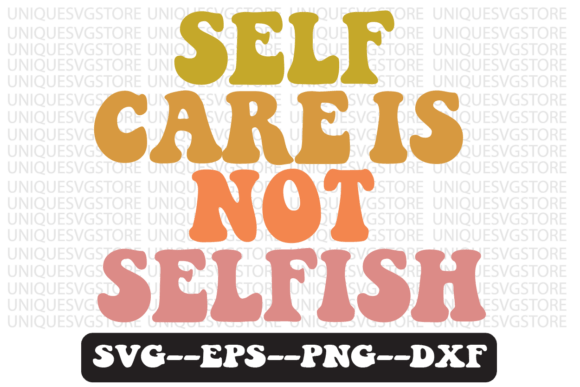
The immediate appeal of this design lies in its retro typography. In the world of Crafts and Graphics, retro styles are having a massive resurgence, particularly for mental health awareness themes. The layout feels balanced, with a curvature that suggests warmth rather than rigidity. For an embroidery designer, this is crucial. Sharp, aggressive angles can sometimes cause thread breaks or puckering, whereas the softer, rounded edges typical of this retro style tend to stitch out more smoothly.
The mood is calming yet assertive. It doesn’t scream; it reminds. When I visualized this on a product, I didn’t see it as a loud statement piece for a party shirt, but rather as a gentle affirmation on items used during downtime. This distinction matters because it dictates where you should place the design and what fabrics you should choose.
Real-World Application: The Sweatshirt Test
To truly test a design, you have to imagine it on a specific item. I pictured this design on a heavyweight, oatmeal-colored sweatshirt. This is a popular item for small shop products and Etsy sellers right now. The texture of French terry or fleece provides a sturdy base that can handle the density of satin or fill stitches without distorting.
In this scenario, the Self Care is Not Selfish Svg Design works exceptionally well. The thickness of the retro letters allows for clean satin stitching or a dense fill, ensuring the text remains legible even from a distance. If you were to create this as a personalized gift or a boutique branding item, the contrast between the soft fabric and the structured embroidery adds perceived value. Customers trust handmade products that look professional, and clear, well-defined lettering is a hallmark of quality embroidery.
Versatility Across Product Lines
Beyond sweatshirts, this design has strong potential in several other categories:
- Tote Bag Design: Canvas bags are durable and provide a flat surface, making them ideal for larger hoop sizes. The message aligns perfectly with the utility of a tote used for yoga classes or library runs.
- Embroidered Patch: If you digitize this as an applique design or a dense fill with a merrowed edge, it becomes a versatile patch. Patches allow customers to move the message between jackets and bags, increasing the product's lifespan.
- Baby Embroidery: While the message is adult-oriented, the soft retro font could work on organic cotton onesies for new parents who prioritize mental health. However, scale is critical here.
- Pillow Covers: A central placement on a linen pillow cover creates a cozy, therapeutic corner in a living room or bedroom.
Technical Considerations for Stitching
While the design is visually appealing, there are technical hurdles to consider before you hit "start" on your machine. Since this is originally a printable sublimation design, it may not be optimized for embroidery out of the box. You will likely need to digitize it yourself or hire a digitizer to convert the SVG paths into a proper embroidery file.
Stitch Density and Underlay
Retro fonts often have thick strokes. If you use too much fill stitch, the design can become stiff and heavy, which is uncomfortable on wearable custom apparel. I recommend using a combination of satin stitch for smaller elements and a light fill with proper underlay for larger letters. This reduces bulk while maintaining coverage.
Fabric Texture and Stabilizer
The success of this project depends heavily on your stabilizer choice. For stretchy fabrics like hoodies or t-shirts, a cut-away stabilizer is non-negotiable to prevent distortion. For woven fabrics like tea towels or aprons, a tear-away might suffice, but always test first. The fabric texture can also affect how the threads sit. On rougher textures, you may need to increase the stitch density slightly to ensure the background fabric doesn’t peek through.
Where to Use Caution
Not every surface is suitable for this design. Here are a few scenarios where you should proceed with care:
- Small Hoop Sizes: If you shrink this design too much for a small hoop, the intricate curves of the retro letters may merge, causing legibility issues. Always check the minimum size your machine can handle cleanly.
- Dark Fabric: If stitching on black or navy, ensure your thread colors have high contrast. Pastel threads may get lost. Consider using a lighter underlay to boost brightness.
- Curved Surfaces: Embroidering on caps requires specialized techniques. The curvature can distort the text if not hooped correctly. This design is better suited for flat panels unless you have advanced cap-digitizing skills.
- Frequent Washing: Items like kitchen towels or baby clothes undergo rigorous washing. Ensure your thread quality is high and your knotting is secure to prevent unraveling.
Enhancing Brand Consistency and Value
For craft business owners and digital product sellers, consistency is key. Using a cohesive design style like this retro aesthetic helps build brand recognition. When customers see this specific font style and message, they begin to associate it with your shop’s values—mindfulness, quality, and care.
Furthermore, creating printable mockups of this design on various products can boost buyer engagement. Even if you are selling the finished product, showing it on a tote, a sweatshirt, and a pillow in your online listings helps the customer visualize ownership. It transforms a simple graphic into a lifestyle aspiration.
Practical Designer Notes
Before you commit to a full production run or list this as a new item in your store, follow these steps:
- Test on Scrap Fabric: Never stitch directly on your final garment. Use similar weight and texture scraps to test tension and density.
- Check Thread Color Contrast: View your design in black and white to ensure the shapes are distinct without color reliance.
- Confirm Licensing: Since this is a digital embroidery file or SVG intended for crafts, verify the license terms. Can you sell physical finished items? Can you sell the digital file itself? Clarify this before commercial embroidery projects begin.
- Inspect Small Details: Zoom in on your digitized file. Are there any unnecessary jump stitches? Are the entry and exit points optimized to reduce trimming time?
The Self Care is Not Selfish Svg Design offers a compelling blend of modern relevance and classic aesthetic. With careful digitizing and thoughtful material selection, it can elevate your handmade product line, offering customers not just an item, but a reminder of their own worth. Whether you are an experienced embroiderer or a hobbyist looking to expand your skills, this design serves as an excellent canvas for practicing precision and exploring the emotional impact of textile art.