Talk Less Smile More Retro SVG: A Designer’s Review
As an embroidery designer who has spent years translating digital concepts into thread, I have learned that not every graphic translates well to the needle. When I first encountered the Talk Less Smile More Retro Svg Design, my initial reaction was one of cautious optimism. The phrase itself carries a bold, minimalist attitude that resonates with modern aesthetic trends, but the real question for any serious crafter or Etsy seller is whether the visual execution holds up under the microscope of machine embroidery.
This is not just a Smile quote retro Svg Design; it is a statement piece. In the world of Crafts and Graphics, retro typography is having a massive resurgence. However, retro often implies distressed edges, uneven lines, or complex textures—elements that can be nightmares for digitizers and embroiderers alike. After evaluating this design for potential use in client projects and personal shop inventory, I want to share how it performs in real-world scenarios, from custom apparel to boutique home goods.
First Impressions: Mood and Visual Personality
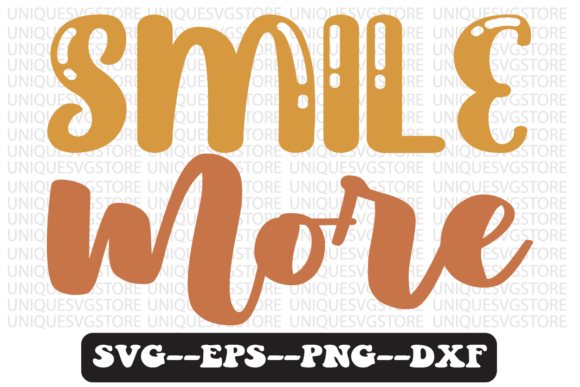
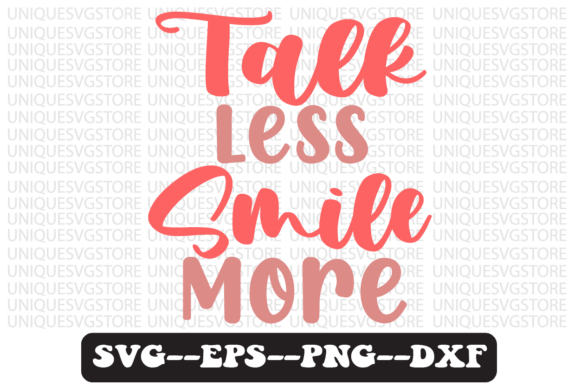
The layout of the Talk Less Smile More Retro Svg Design strikes a balance between playful and assertive. The typography suggests a vintage vibe, likely utilizing rounded sans-serif fonts or groovy serifs typical of mid-century print advertising. For an embroidery project, this is promising because clean, bold lettering generally stitches out better than intricate script. The mood is cheerful yet grounded, making it versatile enough for a baby onesie or a grown-up hoodie.
What stands out immediately is the simplicity. In embroidery, less is often more. Complex gradients and shadows do not translate well to thread. This design appears to rely on shape and contrast rather than density, which is a good sign for stitch clarity. It feels like a design that belongs on a tote bag design meant for daily use or a sweatshirt embroidery project intended for casual wear. It does not try to be overly ornate, which helps maintain its readability even when scaled down.
Real-World Application: From Mockup to Stitch
To truly test a design, you must imagine it on fabric. I recently considered using this graphic for a custom order involving a set of canvas tote bags for a local bookstore. The client wanted something witty but professional. The Talk Less Smile More Retro Svg Design fit the brief perfectly. Because it is a printable product and sublimation-ready, it offers flexibility. However, as an embroiderer, I looked at how the shapes would convert to a machine embroidery design.
If you are planning to use this for custom apparel, such as hoodies or long-sleeve tees, the bold nature of the text ensures it remains legible from a distance. For baby embroidery, such as on a onesie, the positive message is appealing to parents. However, you must consider the scale. On a small garment, the word "Smile" needs to remain distinct. If the design includes decorative elements around the text, ensure they are not too delicate for small hoop size constraints.
For those running a craft business, this design serves as a strong design asset. It can be marketed as a personalized gift option, especially if combined with other elements. Imagine this text embroidered above a simple floral motif on a kitchen towel. The juxtaposition of the retro font with organic shapes creates a high-value finished product that appeals to buyers looking for unique home decor.
Technical Considerations for Embroiderers
While the graphic is described as a Smile Day Printable Sublimation Design, converting it for embroidery requires careful attention to detail. Here are practical notes for anyone planning to stitch this out:
- Stitch Density and Type: Retro fonts often benefit from a mix of satin stitch for smaller letters and fill stitch for larger, bolder characters. Avoid using satin stitch for widths greater than 7mm, as long floats can snag easily. Check if your digitizer has optimized the stitch density to prevent puckering.
- Fabric Texture: This design works best on stable fabrics like cotton twill, canvas, or medium-weight fleece. On textured fabrics like terry cloth or heavy knits, the fine details of the retro font might get lost. Always use a appropriate stabilizer—cut-away for stretchy fabrics like sweatshirts, and tear-away for stable wovens like tote bags.
- Thread Colors: To maintain the retro feel, consider using muted or vintage-inspired thread colors. Mustard yellow, teal, or burnt orange against a neutral background can enhance the vintage vibe. Test the design in black and white mockups first to ensure the contrast is sufficient for readability.
- Small Details: If the SVG includes any distressed effects or tiny dots, these may need to be simplified or removed for embroidery. Tiny isolated stitches can pull out during washing. Inspect the design file closely before loading it onto your machine.
Where to Use It Carefully
Not every surface is suitable for this type of graphic. While it excels on flat surfaces like pillow covers or aprons, be cautious with curved surfaces like caps. The curvature can distort the text, making it harder to read. Additionally, avoid placing this design on areas subject to high friction, such as the cuffs of sleeves, unless you reinforce the stitching significantly.
For commercial embroidery projects, always verify the licensing terms. Since this is a digital product, ensure you have the right to use it for finished goods sold in your small shop product line. Many designers offer commercial licenses, but it is crucial to confirm this before listing items on Etsy or at craft fairs.
Enhancing Brand Value and Customer Trust
Using high-quality, well-thought-out designs like Talk Less Smile More Retro Svg Design elevates your brand. Customers can spot lazy design choices. A clean, well-digitized embroidery project signals professionalism. It builds trust, encouraging repeat business. Whether you are creating holiday embroidery gifts or everyday embroidered patch items, the quality of the design directly impacts the perceived value of the item.
In conclusion, this design is a solid choice for makers who appreciate retro aesthetics and practical application. It is versatile, readable, and emotionally resonant. By paying attention to fabric choice, stabilizer, and stitch settings, you can transform this digital graphic into a tangible, high-quality product that customers will love. Always test on scrap fabric first, and let the thread do the talking—while the design reminds us to smile more.