Reviewing They Gave Their Lives Retro SVG Design
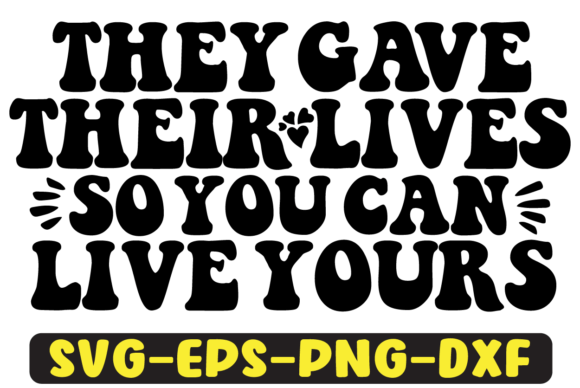
As a designer who spends half my life staring at stitch simulations and the other half troubleshooting thread breaks, I have learned to look past the glossy mockups. When a new file lands on my desk, I do not just see pixels. I see tension, density, and the final texture on fabric. Recently, I evaluated They Gave Their Lives Retro Svg Design, a piece categorized under Crafts and Graphics that aims to blend solemn remembrance with a vintage aesthetic. This is not just another holiday graphic; it is a statement piece that requires careful handling to translate well from screen to needle.
The First Impression: Mood and Layout
The immediate impact of this design is its balance between reverence and style. The retro typography suggests a mid-century influence, which softens the heavy emotional weight of the phrase. For an embroidery project, this is crucial. Heavy, gothic fonts can look aggressive when stitched, but the rounded, worn edges of this retro style invite a softer touch. The layout is compact yet breathable, meaning the negative space is as important as the lettering itself. When I visualize this on a garment, I am not seeing a cluttered mess of stitches. I am seeing a clean, intentional design that respects the fabric it sits on.
Real-World Application: From Screen to Stitch
To truly test the viability of They Gave Their Lives Retro Svg Design, I imagined a specific client request. A local boutique owner wanted to create a limited run of heavyweight cotton tote bags for a community Remembrance Day event. She needed something that felt handmade and personal, not mass-produced. This design fit the brief perfectly. However, translating a printable sublimation concept into a machine embroidery design requires a shift in thinking. In print, gradients and fine lines are easy. In embroidery, every pixel must become a physical thread path.
If you are planning to use this for custom apparel, such as sweatshirt embroidery or a structured cap, the visual personality of the design holds up well. The boldness of the retro font ensures that the message remains legible even from a distance. For smaller items like a baby onesie or a delicate pillow cover, the scale becomes critical. You must ensure that the intricate details of the "retro" distressing do not turn into a tangled bird’s nest of thread. This is where your choice of stabilizer and hoop size becomes non-negotiable.
Navigating Fabric and Technique Challenges
Not every fabric will treat this design kindly. Because the design relies on a specific visual texture to achieve its retro look, you must be cautious with textured fabrics like thick wool or loose-weave linen. The stitches may sink into the pile, losing the crisp definition of the letters. I recommend using a cut-away stabilizer for stretchy fabrics like hoodies to prevent puckering, which can distort the lettering and ruin the professional look of your handmade product.
Dark fabrics present another challenge. If you are stitching this onto a navy or black sweatshirt, you need high-contrast thread colors. A muted grey or off-white might get lost against dark backgrounds, especially if the design includes subtle distressed elements. Always test your thread colors on scrap fabric first. Do not assume the digital preview matches the physical reality. A satin stitch might look smooth on screen, but on certain synthetic blends, it can pull too tight. Consider using a fill stitch for larger areas if the design allows, as it provides better coverage and durability for items that will undergo frequent washing.
Commercial Viability and Customer Trust
For Etsy sellers and small shop owners, the perceived value of a finished product is tied directly to its execution. They Gave Their Lives Retro Svg Design has strong giftability. It appeals to customers looking for meaningful, personalized gifts that honor history without being overly somber. When used correctly, it enhances brand consistency by showing that you care about detail. A sloppy stitch-out can damage customer trust, but a clean, well-digitized version of this design signals professionalism.
However, since this is originally described as a printable product for sublimation, you must verify the licensing and file compatibility before selling commercial embroidery items. Does the creator provide a dedicated embroidery file with optimized stitch paths? Or are you expected to auto-digitize the SVG yourself? Auto-digitizing often results in excessive stitch density and poor underlay, leading to thread breaks and fabric distortion. If you are creating a digital embroidery file for others to use, ensure you have the rights to convert and distribute the design. Always check the license terms provided with the original graphics asset.
Practical Notes for the Embroidery Designer
Before you load this design into your machine, take a moment to review the technical specifics. Here is a checklist for ensuring success:
- Test on Scrap Fabric: Never stitch a new design directly on the final garment. Use the same fabric type and weight to check for puckering or registration issues.
- Check Stitch Density: Retro designs often mimic wear and tear. Ensure these details do not create dense clusters of stitches that can perforate thin fabric.
- Contrast is Key: Verify that your thread colors stand out against the fabric background. High contrast improves readability and visual appeal.
- Hoop Size Matters: Confirm that the design fits comfortably within your hoop with adequate margin for stabilization. Crowding the hoop can lead to uneven tension.
- Stabilizer Selection: Match your stabilizer to the fabric. Use tear-away for stable woven fabrics and cut-away for knits and stretchy materials.
- Inspect Small Details: Zoom in on the digitized file. Look for jump stitches or unnecessary trims that can slow down production and increase thread waste.
Final Verdict
They Gave Their Lives Retro Svg Design is a versatile asset for the right project. It bridges the gap between historical respect and modern craft aesthetics. Whether you are creating an embroidered patch for a veteran’s group, a tote bag design for a school event, or holiday embroidery for a family gift, this design offers a strong foundation. Just remember that the magic lies not in the file itself, but in how you adapt it to the physical world. Respect the fabric, choose your threads wisely, and always prioritize stitch quality over speed. When done right, this design becomes more than just ink and thread; it becomes a lasting tribute.