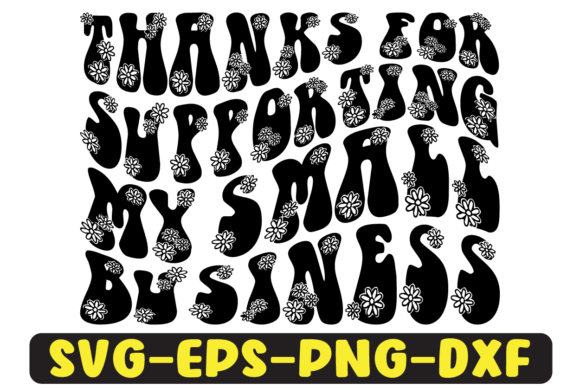
Reviewing the Thanks for Supporting My Small Business Design
As a designer who has spent countless hours digitizing and testing patterns, I approach every new embroidery design with a mix of curiosity and caution. We all know that what looks crisp on a screen does not always translate perfectly to thread and fabric. Recently, I evaluated the Thanks for Supporting My Small Business graphic, a retro-style quote often marketed as an SVG or printable sublimation asset. While the product description highlights its use for T-shirts, onesies, and hoodies, my focus was strictly on how this aesthetic translates into a tangible handmade product for craft business owners and Etsy sellers.
The Visual Personality and First Impressions
The first thing that strikes you about this design is its mood. It carries a warm, appreciative tone that feels authentic rather than corporate. The retro styling suggests a nod to vintage typography, which is currently trending heavily in the Crafts community. For an embroidery project, this means we are likely dealing with bold lines and potentially dense areas if not carefully managed. The layout is centered and balanced, making it ideal for chest placements on sweatshirts or large back prints on tote bags. However, because it is originally a Graphics asset intended for printing, the transition to stitch requires a keen eye for detail.
When I visualize this on a garment, I see it working best as a statement piece. It is not a subtle accent; it is a conversation starter. For small shop owners, this design serves a dual purpose: it decorates the item and reinforces brand values. It tells the customer that their purchase supports a real person, adding emotional value to the finished product.
Real-World Application Scenarios
I recently considered using a similar concept for a custom order of branded merchandise for a local boutique. The client wanted custom apparel that felt personal. In this context, the Thanks for Supporting My Small Business theme fits perfectly on a high-quality cotton tote bag. The flat surface of a tote allows for a larger hoop size, giving the text room to breathe. If you are stitching this on a sweatshirt, the texture of the fleece can hide minor imperfections, but it also demands higher stitch density to ensure the letters do not sink into the pile.
Another viable option is baby embroidery. A onesie with a simplified version of this message could make a charming gift for a parent who runs a home-based business. However, one must be cautious with scale. Baby items require smaller hoops, and intricate retro fonts can become illegible if reduced too much. In such cases, simplifying the design to essential elements or using an applique design technique might be smarter than attempting full satin coverage on tiny letters.
Technical Considerations for Stitching
Since this is primarily sold as a printable or SVG file, converting it for machine use requires careful digitizing or sourcing a properly converted digital embroidery file. If you are working from a raster image, you must define your stitch types clearly. Bold retro letters often benefit from a combination of satin stitch for outlines and fill stitch for larger bodies of text. Be wary of running stitch for long spans without tacking down, as loose threads can ruin the professional look of your Etsy seller portfolio.
Thread colors play a massive role here. A retro vibe often calls for muted tones or high-contrast pairings like cream on navy or mustard on charcoal. Before committing to the final fabric, I always recommend testing the design in black and white mockups. This helps identify if the contrast is sufficient for readability. If the design relies on subtle color shifts, it may get lost on textured fabrics.
Fabric and Hoop Constraints
Not all fabrics are created equal. When applying this design to stretchy materials like jersey knits for T-shirts, a cut-away stabilizer is non-negotiable. Without it, the weight of the thread will distort the garment after washing. For woven fabrics like canvas tote bags or aprons, a tear-away stabilizer might suffice, but always test on scrap fabric first.
Curved surfaces present another challenge. Embroidering this on a cap requires breaking the design into smaller sections or using a specialized cap frame. The rigid structure of a hat can cause puckering if the hoop size is too tight or the tension is off. Additionally, avoid placing dense stitch areas near seams or zippers, as the needle may deflect, causing breaks or misalignment.
Commercial Viability and Brand Consistency
For those using this in a craft business, consistency is key. If your brand aesthetic is minimalist, a busy retro font might clash. However, if your shop specializes in cozy, nostalgic, or handcrafted vibes, this design aligns well. It enhances customer trust by humanizing the transaction. Buyers are increasingly conscious of where their money goes, and wearing or using an item that explicitly thanks them for supporting small business creates a sense of community.
From a marketing perspective, this design works well in printable mockup previews. It looks attractive in digital listings, which can drive engagement. But remember, the physical product must match the digital promise. Ensure that the embroidery file you use is optimized for your specific machine. Check for jump stitches and trim points to minimize post-production cleanup time.
Practical Designer Notes
- Always verify the license terms before selling finished items. Since this is often sold as a printable or SVG, confirm if commercial embroidery rights are included.
- Test stitch density on similar fabric weights. High density on thin fabric causes puckering; low density on thick fabric looks sparse.
- Use contrasting thread colors to highlight the retro typography details.
- Inspect small details after the test run. Tiny serifs or decorative elements may need to be removed or simplified for clean stitching.
- Consider the end-use. Items like kitchen towels or bibs undergo frequent washing, so secure thread tails and use quality polyester thread for durability.
In conclusion, the Thanks for Supporting My Small Business design holds significant potential for commercial embroidery and personalized gifts. It bridges the gap between digital art and tactile craft. By paying attention to fabric choice, stabilizer selection, and stitch optimization, you can transform a simple graphic into a high-value small shop product. Whether you are creating holiday embroidery for clients or stocking your online store, this design offers a heartfelt message that resonates with today’s conscious consumers. Just ensure you adapt the technical execution to match the quality your customers expect.