Reviewing the Merry Columbus Day Retro SVG for Embroidery
As a designer who spends half my life staring at stitch maps and the other half managing client expectations, I approach every new digital embroidery file with a mix of curiosity and caution. We are constantly hunting for assets that bridge the gap between trendy aesthetics and technical feasibility. Recently, I evaluated the Merry Columbus Day Retro Svg Design to see if it holds up under the needle or if it is merely a pretty picture meant for flat printing. This review breaks down how this asset performs when translated from a screen into a tangible handmade product.
First Impressions: Mood and Visual Personality
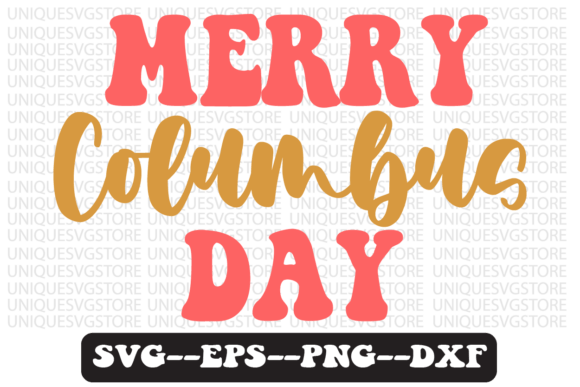
The immediate appeal of the Merry Columbus Day Retro Svg Design lies in its nostalgic typography and balanced layout. It captures a specific mid-century modern vibe that resonates well with current design trends. For those of us in the Crafts and Graphics space, recognizing a design that carries visual weight without being overly cluttered is crucial. The retro styling suggests warmth and tradition, making it an ideal candidate for holiday-themed projects.
However, viewing it as a vector graphic is different from envisioning it as thread. The clean lines and distinct shapes suggest that, with proper digitizing, this could translate beautifully into a satin stitch or a combination of fill stitch and running stitch elements. The mood is celebratory yet understated, which is perfect for customers who want seasonal decor that does not scream for attention but still makes a statement.
Real-World Application: From Screen to Stitch
To truly test the viability of this design, I imagined a real-life scenario involving a custom order for a local boutique. The client wanted a run of heavy-weight cotton tote bags and crewneck sweatshirts for a fall market. This is where the Merry Columbus Day Retro Svg Design needs to prove its worth. Unlike simple sublimation prints, embroidery adds texture and perceived value.
When applied to a tote bag design, the retro lettering provides a sturdy focal point. The thickness of the retro font styles typically supports denser stitching, which prevents the fabric from puckering excessively. On a sweatshirt embroidery project, the design sits comfortably on the chest or back, offering a classic look that appeals to a broad demographic. It is not just about placing the image; it is about ensuring the thread colors contrast sufficiently against the fabric to maintain legibility.
Versatility Across Product Lines
This design is not limited to apparel. Its scalable nature allows it to fit various hoop size constraints, provided you check the dimensions before purchasing or downloading. Consider these applications:
- Embroidered patch creation for hats or jackets, where the retro style mimics vintage scouting or club badges.
- Baby embroidery on onesies or bibs, using softer pastel thread palettes to tone down the boldness for a younger audience.
- Holiday embroidery on kitchen towels or aprons, adding a festive touch to home goods.
- Personalized gift items such as pillow covers or blanket accents, where the design serves as a central motif.
For Etsy sellers and small shop product creators, having a versatile asset like this reduces the need to create multiple designs for different niches. It serves as a reliable design asset that can be repurposed across your inventory.
Technical Considerations and Potential Pitfalls
While the aesthetic is strong, we must address the technical realities of converting a SVG intended for sublimation into a machine embroidery design. Since the product description notes it is a printable sublimation design, it may not come pre-digitized for embroidery machines. This is a critical distinction for commercial embroidery professionals.
If you are digitizing this yourself or hiring someone to do so, pay close attention to stitch density. Retro fonts often have wide, solid areas. If these are filled too densely, the garment will become stiff and uncomfortable. Conversely, if the density is too low, the backing fabric may show through, ruining the crisp look of the retro style.
Be cautious with small details. If the design includes intricate swirls or tiny decorative elements common in retro graphics, they may not survive the stitching process on textured fabrics. Always test on scrap fabric first. Additionally, consider the fabric texture. A rough linen or heavy canvas will handle the design differently than a smooth polyester blend. On stretchy fabrics, a robust stabilizer is non-negotiable to prevent distortion.
Navigating Dark and Textured Fabrics
One challenge with any text-based design is visibility on dark materials. If you plan to offer this on navy or black hoodies, you must ensure high contrast. Light-colored threads on dark fabric require precise tension settings to avoid "bird nesting" or loose loops. I recommend creating black and white mockups to verify that the shape of the letters remains distinct even without color information. This helps in assessing the structural integrity of the design before committing to expensive threads.
Enhancing Brand Value and Customer Trust
Using high-quality designs directly impacts your brand consistency. When a customer receives a finished product with clean, professional stitching, it builds trust. The Merry Columbus Day Retro Svg Design, when executed well, elevates a simple item into a premium good. It signals that the maker cares about detail and trend relevance.
For creative entrepreneurs, this design can serve as a cornerstone for a seasonal collection. It allows for easy creation of printable mockup previews for online listings, helping buyers visualize the final item. Whether you are selling physical goods or digital products, the professionalism of the source material reflects on your business.
Practical Designer Notes for Implementation
Before integrating this into your workflow, keep these practical steps in mind:
- Verify Licensing: Ensure the license covers commercial use if you plan to sell finished items. The description mentions it is a printable product, so clarify if embroidery rights are included.
- Check File Formats: Confirm if you are receiving vector files (SVG, EPS) for digitizing or actual embroidery files (PES, DST, etc.). This determines your preparation time.
- Test Stitch Order: If digitizing, optimize the stitch order to minimize jumps and trims, which speeds up production and reduces thread waste.
- Color Planning: Select thread colors that complement the retro theme. Muted oranges, teals, and creams often work better than neon brights for this style.
- Hooping Strategy: For larger items like sweatshirts, consider using a magnetic frame or floating method if the garment is too bulky for standard hoops.
In conclusion, the Merry Columbus Day Retro Svg Design offers a solid foundation for seasonal projects. It requires thoughtful translation from print to stitch, but with careful attention to density and fabric choice, it can become a standout piece in your craft business portfolio. It is a reminder that good design is not just about how it looks on screen, but how it feels in the hand and wears over time.