Reviewing the Don’t Worry Buy Plants Retro SVG
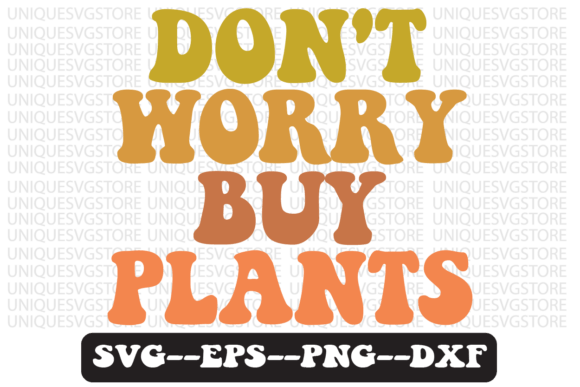
As a designer who has spent years translating digital concepts into tangible, stitched reality, I approach every new machine embroidery design with a mix of curiosity and skepticism. The market is flooded with generic floral motifs, but occasionally, a file stands out because it understands the intersection of trend and technical execution. Recently, I evaluated the Don t Worry Buy Plants Retro Svg Design for a potential client project, and my assessment focuses on how this graphic translates from a screen to actual thread.
The first impression of this piece is its undeniable mood. It captures that specific, laid-back botanical aesthetic that has dominated home decor and apparel for the last few years. The layout feels balanced, with the typography anchoring the organic shapes of the flowers. For an embroidery designer, this balance is critical. If the text is too thin or the floral details too dense, the final product becomes a muddy mess of thread breaks and puckering. This design, however, appears to have been created with a clear understanding of visual weight, making it a strong candidate for various embroidery projects.
Real-World Application: The Custom Tote Test
To truly understand the value of any digital embroidery file, you have to imagine it on a physical object. I visualized this design on a heavy canvas tote bag, a staple item for many Etsy sellers and craft business owners. The retro vibe of the quote pairs naturally with the utilitarian feel of canvas. In this scenario, the design acts as more than just decoration; it becomes a statement piece that drives buyer engagement.
When considering custom apparel, such as a oversized sweatshirt or a fitted hoodie, the placement becomes key. The horizontal nature of the text suggests it would sit beautifully across the chest or on the upper back. However, because this is described as a printable sublimation design as well, we must consider how the lines translate to stitching. Sublimation allows for infinite color gradients, but embroidery relies on solid thread colors. A successful adaptation requires simplifying complex gradients into distinct color blocks that maintain the retro feel without requiring hundreds of color changes.
Navigating Fabric and Technique Challenges
Not every fabric behaves the same way under the needle. While this design looks clean on paper, real-life embroidery situations demand caution. If you are planning to stitch this onto stretchy fabrics like jersey knits for baby embroidery items or onesies, stabilization is non-negotiable. The density of the floral elements could cause pulling if not properly supported. I always recommend using a cut-away stabilizer for garments that will undergo frequent washing, ensuring the finished product retains its shape.
Curved surfaces present another challenge. Applying this to a cap or hat requires careful digitizing adjustments. The text needs to be arched correctly to follow the crown’s curve, otherwise, it will look distorted when worn. Similarly, small hoop sizes might force you to scale down the design. If you reduce it too much, the finer details of the flower petals and the legibility of the "Don't Worry" text may suffer. Always check the minimum viable size before committing to a production run.
Stitch Types and Density Considerations
From a technical standpoint, the success of this design hinges on the choice of stitch types. The leaves and larger flower shapes likely benefit from a fill stitch to provide coverage and texture, while the outlines might require a satin stitch for definition. However, satin stitches over wide areas can be unstable. A skilled digitizer would break these up or use a tatami fill to prevent snagging. The text, being the focal point, should ideally be rendered in a bold, clean font style that translates well to column satin stitches, ensuring readability even from a distance.
It is also vital to consider stitch density. Overly dense designs create stiff patches on fabric, which is uncomfortable on wearable items like t-shirts or long sleeves. Conversely, too little density leaves gaps where the fabric shows through, ruining the professional look. When reviewing this as a Graphics asset within the Crafts category, I look for evidence that the original creator considered these tactile limitations. If the source file is purely vector-based for printing, you will need to manually adjust densities during the digitizing process for embroidery.
Commercial Viability and Brand Consistency
For small shop products and boutique branding, consistency is king. This design offers a versatile aesthetic that fits well within the "plant parent" niche, a demographic known for high engagement and loyalty. Using this motif on a range of products—from embroidered patches to kitchen towels—can help build a cohesive brand identity. The retro style appeals to a broad age range, making it a safe yet stylish choice for holiday gifts or personalized presents.
However, commercial use comes with responsibilities. Before selling items featuring this design, you must confirm the licensing terms. Just because a file is available for purchase does not automatically grant unlimited commercial rights. Check whether the license covers physical goods, digital resale, or both. For commercial embroidery projects, clarity on these terms protects your business from legal issues down the line.
Practical Designer Notes
Before launching this design into your production workflow, follow these practical steps:
- Test on scrap fabric: Never stitch directly on your final garment. Use similar material to test tension and registration.
- Check thread contrast: Ensure your thread colors stand out against the fabric. A dark green thread on a black shirt will vanish.
- Review stitch density: Adjust if the design feels too heavy or too light for your specific fabric texture.
- Confirm hoop size: Make sure your machine’s hoop can accommodate the full design without repositioning.
- Inspect small details: Zoom in on the digital preview to ensure no tiny elements will get lost in stitching.
- Mockup in black and white: This helps you see the value and contrast without the distraction of color.
- Verify licensing: Read the fine print regarding commercial use for both personal and business projects.
In conclusion, the Don t Worry Buy Plants Retro Svg Design holds significant promise for creators looking to add a touch of whimsical botany to their offerings. Whether you are creating a tote bag design for a local market or a sweatshirt embroidery piece for an online store, the key lies in thoughtful execution. By respecting the technical constraints of embroidery and understanding your audience, you can transform this digital asset into a high-value handmade product that resonates with customers. Always prioritize quality over speed, and let the design speak for itself through precise, clean stitching.