Reviewing the Do All Things with Kindness SVG for Embroidery
As a designer who spends half my life digitizing files and the other half watching needles punch through fabric, I have learned that not every pretty graphic translates well to thread. When I first opened the Do All Things with Kindness SVG, my immediate reaction was one of cautious optimism. The phrase itself carries a warm, inviting weight, perfect for the current market trend toward mindful living and gentle parenting. But as an experienced embroidery product reviewer, I look past the sentiment to the structural integrity of the design. Does it hold up under the tension of a hoop? Will it look crisp on a textured tote bag, or will it blur into a mess of satin stitches?
First Impressions and Visual Personality
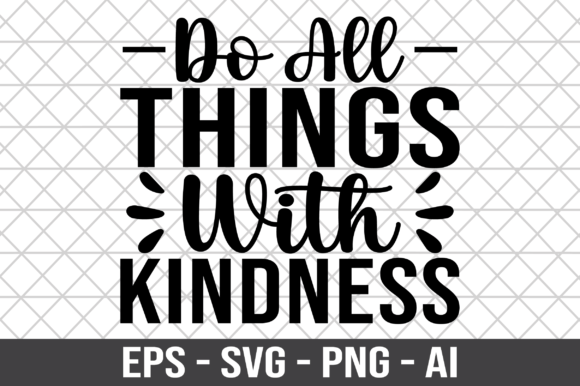
The layout of this machine embroidery design feels balanced. It avoids the cluttered aesthetic that plagues many free or low-cost design assets found online. The typography appears clean, suggesting that if digitized correctly, it should offer good stitch clarity. For those of us in the Crafts sector, specifically those focusing on Graphics for physical goods, the simplicity is a strength. It allows the message to breathe.
I imagine this design working best where negative space is respected. It does not scream for attention with excessive flourishes; instead, it offers a quiet confidence. This makes it versatile. It fits naturally into a boutique branding strategy where minimalism sells. Whether you are creating a personalized gift for a teacher or a signature item for your Etsy seller shop, the visual personality here is professional and approachable.
Real-World Application: The Tote Bag Test
To truly evaluate a file, you must visualize it on a specific substrate. Let’s consider a real-life scenario: preparing a custom embroidered canvas tote bag. Canvas is sturdy, but it has a distinct weave. If the stitch density of the Do All Things with Kindness SVG is too low, the fabric grain will show through the letters, ruining the legibility. If it is too high, the bag will pucker and warp.
In my mental mockup, I see this design centered on a natural cotton tote. The vector nature of the file means I can resize it to fit a 5x7 or 6x10 hoop size without losing quality. This flexibility is crucial for small shop product lines where consistency across different items is key. I would likely pair this with a matte finish thread to keep the look organic, avoiding the shiny polyester look that can cheapen a handmade product. The result would be a functional, stylish accessory that customers feel good carrying, enhancing brand recognition through subtle, values-driven messaging.
Versatility Across Product Lines
Beyond totes, this embroidery file has potential in several other categories. For custom apparel, such as a heavyweight sweatshirt, the design needs to be large enough to remain readable but not so dense that it creates a stiff patch on the chest. I would recommend testing a fill stitch approach for the text if the font allows, rather than relying solely on satin stitch columns, which can snag on fuzzy fabrics like fleece.
For baby embroidery projects, such as a muslin swaddle or a onesie, caution is required. Babies have sensitive skin, and bulky stitching can be irritating. If this design includes small decorative elements, they might need to be simplified or removed for infant wear. However, for a nursery wall hanging or a pillow cover, the detail level can remain intact, adding a touch of warmth to the decor.
Technical Considerations for Stitching Success
Before you load this into your machine, there are practical steps to ensure a high-quality finished product. Since the package includes AI, EPS, SVG, and PNG files, you have options. If you are using embroidery software to convert or edit the design, the vector files (AI and EPS) are invaluable. They allow you to adjust node points and smooth out curves before generating the actual stitch file.
However, remember that an SVG is not a native embroidery format. You must ensure you have a properly digitized version or use reliable auto-digitizing settings if you are converting it yourself. Poor conversion can lead to excessive jump stitches or unstable lettering. Always check the thread colors against your fabric. A dark thread on a dark fabric will vanish, while a light thread on white fabric may lack contrast. Test on scrap fabric first. This is non-negotiable for any serious craft business.
Fabric and Stabilizer Choices
The success of this design heavily depends on your choice of stabilizer. For stretchy fabrics like t-shirts, a cut-away stabilizer is essential to prevent distortion over time. For woven fabrics like aprons or tea towels, a tear-away might suffice, but only if the stitch count is moderate. Be wary of using this on very thin or slippery fabrics unless you have experience with water-soluble stabilizers. The fabric texture plays a huge role in how the final image is perceived. A rough linen will soften the look, while a smooth cotton poplin will make every stitch definition sharp.
Commercial Viability and Brand Trust
For commercial embroidery professionals, consistency is currency. Using a design like Do All Things with Kindness SVG can help build a cohesive collection. It signals to buyers that your brand values kindness and thoughtfulness. This emotional connection drives engagement and sales. However, you must verify the license terms. Just because you can download it instantly does not mean you have unlimited commercial rights. Always read the fine print regarding digital embroidery file usage.
When selling on platforms like Etsy, your printable mockup or product photos must accurately represent the stitched outcome. Do not just show the digital SVG; show the actual embroidery. Customers want to see the texture, the sheen of the thread, and how it sits on the garment. This transparency builds trust and reduces return rates.
Final Verdict for Makers
The Do All Things with Kindness SVG is a solid addition to your library if approached with technical care. It is not a plug-and-play solution for every fabric type, but with proper preparation, it yields beautiful results. It excels in projects where the message is the hero, such as holiday embroidery gifts or embroidered patch designs for jackets.
My advice is to start small. Stitch it on a medium-weight cotton with a standard stabilizer. Check the corners of the letters for pull-outs. Adjust your tension if needed. Once you master the behavior of this design on one fabric, you can confidently expand to caps, bags, and home decor. It is a tool for creating meaningful embroidery project outcomes, provided you respect the mechanics of the machine and the material. Happy stitching.