One SpookTacular Dog: A Designer’s Stitch Review
As an embroidery designer who has spent countless hours digitizing and testing files for real-world application, I approach every new machine embroidery design with a mix of curiosity and skepticism. We have all been there: you download a cute graphic, load it onto your machine, and watch in horror as the thread nests or the fabric puckers because the original artwork was never intended for needle and thread. That is why evaluating One SpookTacular Dog required more than just a glance at the preview image. I needed to understand how this design translates from a digital asset into a tangible, stitched reality.
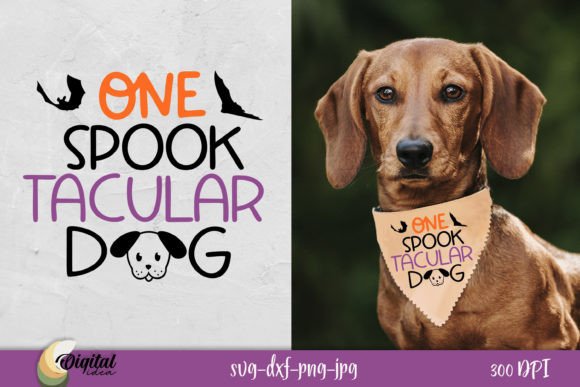
The first impression of One SpookTacular Dog is one of playful charm. It captures that specific intersection of humor and seasonal flair that performs exceptionally well in the Crafts and Graphics markets during the autumn months. The layout suggests a balanced composition, which is critical for embroidery. Unlike complex illustrations that rely on subtle shading, this design appears to lean into bold shapes and clear lines. For us designers, this is good news. Clear lines usually mean better stitch definition, especially when working with standard polyester threads on medium-weight fabrics.
Real-World Application: Beyond the Screen
To truly test the viability of this design, I imagined a specific client scenario. Let’s say a local boutique owner approaches you for a run of custom tote bag designs for their Halloween pop-up shop. They want something that appeals to dog lovers but isn’t overly scary. This is where One SpookTacular Dog shines. The humorous quote element, combined with the canine imagery, creates an immediate emotional connection. It is not just a picture of a dog; it is a conversation starter.
I visualized stitching this onto a natural canvas tote. The texture of canvas provides a stable base, allowing the stitches to sit prominently without sinking into the weave. If I were using this for sweatshirt embroidery, I would likely opt for a left-chest placement rather than a full-back design, depending on the scale. The whimsical nature of the art fits perfectly on casual wear, making it an ideal choice for custom apparel aimed at families or pet owners. It feels less like a corporate logo and more like a personalized gift that shows thoughtfulness and personality.
Navigating Fabric and Hoop Constraints
While the design is charming, practical execution requires attention to detail. One of the most common mistakes Etsy sellers make is ignoring the relationship between stitch density and fabric type. If you plan to use this on a thin cotton tea towel or a stretchy jersey knit, you must proceed with caution. Dense areas in the dog’s fur or the lettering could cause puckering if not properly supported.
I always recommend using a cut-away stabilizer for garments that will be washed frequently, such as baby embroidery items or daily-wear t-shirts. For decorative pieces like pillow covers or wall hangings, a tear-away might suffice, but the longevity of the finished product depends on that initial stabilization. Additionally, consider the hoop size. If the design includes intricate details in the dog’s expression or the typography, ensure your hoop is large enough to accommodate the entire motif without hitting the frame. Cramped hoops lead to distorted stitches and frustrated customers.
Dark fabrics present another challenge. If you are stitching this on a black hoodie for a holiday embroidery collection, you need high-contrast thread colors. Light grays, whites, or vibrant oranges will pop, but muted tones may get lost. I often test designs in black-and-white mockups first to check for value contrast. If the design relies on subtle shading that disappears in monochrome, it might not translate well to thread, which lacks the gradient capabilities of inkjet printing.
Commercial Viability and Brand Consistency
For those running a craft business, the versatility of your design assets is key. One SpookTacular Dog is not limited to clothing. I can easily see this adapted into an embroidered patch for caps or jackets. Patches are a trending small shop product because they allow customers to customize their own gear later. However, creating a patch requires careful attention to the border. Ensure the design has a clean edge or a satin stitch border to prevent fraying after cutting.
When selling digital embroidery file products or finished goods, professionalism is paramount. Buyers judge the quality of your work by the clarity of the stitches. A messy fill stitch or poorly connected running stitches can undermine trust. This design, with its likely mix of fill stitch for the body and satin stitch for outlines or text, offers a good opportunity to showcase technical skill. If the digitizing is clean, it elevates the perceived value of the item, allowing you to price it higher than generic, mass-produced alternatives.
Practical Notes for the Embroiderer
Before you commit to a large production run or list this as a premium item in your store, take these practical steps:
- Test on scrap fabric: Never stitch directly on your final garment. Use a similar weight and weave to check for tension issues.
- Check thread contrast: Ensure your chosen palette makes the text readable. Legibility is crucial for quote-based designs.
- Review stitch density: If the design feels heavy, consider reducing the density in non-critical areas to save thread and reduce bulk.
- Confirm licensing: Since this comes as a zip folder with multiple formats including SVG and DXF, verify if the license allows for commercial use of finished physical items. Most designers allow this, but restrictions on reselling the digital file itself are standard.
- Inspect small details: Zoom in on the digital file. Are there tiny, isolated stitches that might break? If so, merge them or remove them before stitching.
Ultimately, One SpookTacular Dog represents the kind of versatile, mood-driven design that thrives in the handmade market. It is not just about the image; it is about the feeling it evokes. Whether used for a quirky appliance cover, a festive holiday gift, or a signature item for your boutique branding, it holds up under scrutiny. By respecting the technical requirements of embroidery—stabilization, thread choice, and fabric compatibility—you can transform this digital graphic into a high-quality physical product that customers will love to show off.
Remember, the best embroidery project is one that balances artistic intent with mechanical reality. Take the time to test, adjust, and refine. Your reputation as a skilled maker depends on the consistency of your output. With careful preparation, this design can be a standout addition to your autumn catalog, proving that even spooky themes can be executed with professional precision and charm.