Nacho Average Volunteer Retro Svg Design Review
As a designer who has spent years translating digital files into tangible thread and fabric, I approach every new asset with a mix of excitement and skepticism. The market is flooded with generic Graphics, but finding a piece that balances humor, retro charm, and technical viability for embroidery is rare. Today, I am evaluating the Nacho Average Volunteer Retro Svg Design. This isn't just about whether the file opens correctly; it is about how this design translates from a screen to a finished product in a real-world craft business.
The First Impression: Mood and Visual Weight
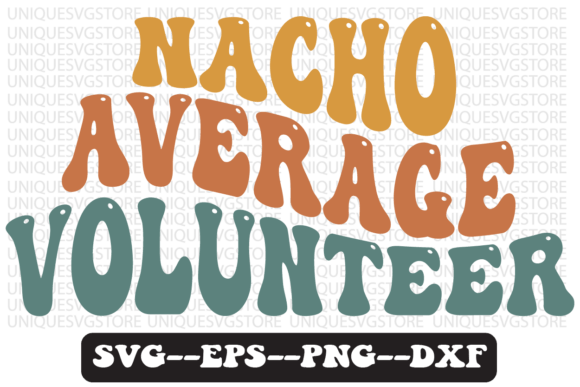
When I first opened the Nacho Average Volunteer Retro Svg Design, the immediate vibe was unmistakably nostalgic. The typography leans heavily into that 70s-inspired aesthetic with its bold curves and playful kerning. For anyone running a shop focused on community events or charity merchandise, this design hits the right emotional note. It feels approachable, slightly cheeky, and perfect for building a connection with customers who appreciate handmade items with personality.
However, visual appeal on a screen does not always guarantee success under a needle. The layout is dense, which is typical for retro quotes, but density is the enemy of clarity in small-scale machine embroidery design. My initial assessment suggests that while the shape is strong, the intricate details within the lettering will require careful digitization if you are converting this SVG into an actual embroidery file. If you plan to use this as a printable PNG for sublimation, the resolution looks solid, but for stitching, we need to talk about stitch density.
A Real-World Scenario: The Charity Sweatshirt Project
To truly test the utility of this asset, let's imagine a specific project. You are preparing a batch of custom apparel for a local food bank volunteer appreciation day. The goal is to create high-quality sweatshirts that volunteers will actually want to wear outside of the event. You decide to place the Nacho Average Volunteer Retro Svg Design on the chest of a heavyweight hoodie.
In this scenario, the design shines. The boldness of the retro font works well against the textured fabric of a sweatshirt. Because the garment is thick, you can get away with a slightly higher stitch density without the design sinking into the material. The phrase itself acts as a conversation starter, adding significant value to the finished product. When a customer sees this on a rack at a craft fair or in an Etsy listing, they immediately understand the spirit of the brand. It transforms a plain garment into a statement piece.
However, the challenge arises when considering the placement. If you attempt to put this same design on a curved surface like a baseball cap, the retro curves might distort. The "Nacho" text, with its unique arches, could become illegible if the hoop size is too small or if the cap stabilizer isn't perfectly aligned. In my experience, designs with complex lettering often lose their punch on curved surfaces unless the digitizer specifically adjusts the running stitch and fill stitch angles to compensate for the curve.
Technical Considerations for Embroidery and Printing
While the product description highlights its versatility for T-shirts, onesies, and long sleeves, the transition from a printable graphic to an embroidered patch requires a shift in mindset. If you are using this as a digital embroidery file, you must verify the node count. High-resolution SVGs often contain thousands of anchor points, which can confuse embroidery machines if not simplified.
For handmade products like tote bags or pillow covers, the flat surface allows for more freedom. Here, the Nacho Average Volunteer Retro Svg Design can be scaled up significantly. A large tote bag design benefits from the retro aesthetic because the scale allows the details to breathe. However, if you are working on baby embroidery, such as a onesie, you must be cautious. The text is relatively large, and shrinking it down to fit a toddler's chest might result in muddy stitching where the letters blend together. Always test the design on scrap fabric first to ensure the thread colors provide enough contrast and that the details remain crisp.
Where to Use With Caution
- Small Hoop Sizes: Do not attempt to stitch the full quote in a 4x4 hoop unless you have reduced the detail level significantly. The retro fonts often have tight corners that can cause thread breaks in small areas.
- Textured or Stretchy Fabrics: While great for hoodies, avoid using this on thin, stretchy knits without a heavy-duty stabilizer. The tension required for the fill stitches could pucker the fabric, ruining the professional look of your custom apparel.
- Dark Fabric Backgrounds: The retro style often relies on light colors against dark backgrounds. Ensure you have a backing plan, perhaps a satin stitch border or a puff paint underlay, to make the design pop on black or navy garments.
- Detailed Corners: Inspect the sharp angles in the lettering. These are prone to pulling during washing if the stitch density is too high. You may need to adjust the digitizing settings to soften these edges.
Impact on Brand Consistency and Customer Trust
For an Etsy seller or a small shop owner, consistency is key. Using a cohesive set of Crafts assets helps build a recognizable brand identity. The Nacho Average Volunteer Retro Svg Design fits perfectly into a collection of vintage-inspired, community-focused goods. It signals to the buyer that you care about quality and personality, not just mass production.
When a customer receives a personalized gift featuring this design, the perceived value increases. They aren't just buying a shirt; they are buying a sentiment. The retro style evokes a sense of timelessness, making the item feel less like a fleeting trend and more like a keepsake. This directly impacts buyer engagement and repeat purchases. However, this trust is fragile. If the embroidery comes out messy, with loose threads or misaligned letters, the entire brand reputation suffers. Therefore, the execution of this design is just as important as the design itself.
Practical Designer Notes for Success
Before committing to a commercial run, I strongly advise the following steps to ensure the best results with the Nacho Average Volunteer Retro Svg Design:
- Test on Scrap Fabric: Never skip the test stitch. Run the design on a piece of the actual fabric you intend to use to check for puckering and thread breakage.
- Check Thread Color Contrast: Retro designs rely on color blocking. Ensure your chosen thread palette creates a clear distinction between the background and the text.
- Review Stitch Density: If you are digitizing this yourself, lower the density in the smaller text areas to prevent saturation issues.
- Confirm Licensing: Before selling any finished items or digital products, double-check the license terms. Ensure you are allowed to sell commercial embroidery projects based on this specific file.
- Use Proper Stabilizer: Whether you are doing a sweatshirt embroidery or a delicate baby item, the right stabilizer is non-negotiable for maintaining the integrity of the retro shapes.
- Create Printable Mockups: Even if you are embroidering, creating a printable mockup helps you visualize the final look before cutting any thread. Compare light and dark fabric backgrounds to see how the design adapts.
Ultimately, the Nacho Average Volunteer Retro Svg Design is a versatile asset that can elevate your craft business if handled with care. It bridges the gap between digital design assets and physical handmade products. By understanding its limitations and strengths, you can create memorable, high-quality items that resonate with your audience. Whether you are making a holiday gift, a boutique product, or a personalized item for a friend, this design offers a fun, retro twist that stands out in a crowded market. Just remember: the magic happens not just in the file, but in the thoughtful execution of the stitch.