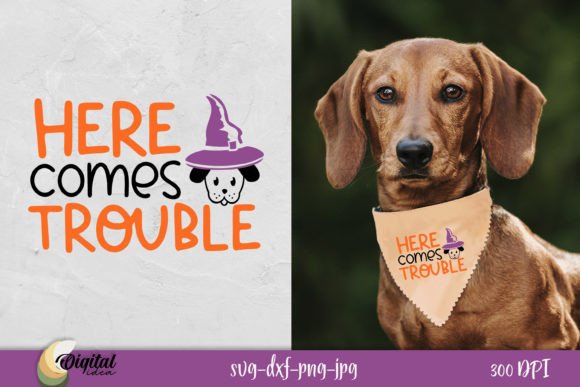
Here Comes Trouble: A Designer’s Take
As an embroidery designer who has spent countless hours digitizing, testing, and stitching out designs for clients, I have learned that a cute concept does not always translate to a clean finished product. When I first opened the folder for Here Comes Trouble, my initial reaction was one of cautious optimism. The phrase itself carries a playful, mischievous energy that resonates deeply with dog owners and pet lovers. But in the world of machine embroidery, personality must be balanced with technical precision. This review breaks down how this specific design performs when moved from a digital screen to actual fabric, offering practical insights for fellow crafters, Etsy sellers, and boutique owners.
First Impressions and Visual Personality
The visual layout of Here Comes Trouble immediately suggests a casual, fun vibe. It is not trying to be overly ornate or classical; instead, it leans into the modern, humorous aesthetic that dominates current trends in pet-related merchandise. For those of us working in Crafts and Graphics, the balance between text and imagery is critical. If the text overwhelms the graphic, the message gets lost. If the graphic is too complex, the stitching becomes muddy.
In this case, the design feels approachable. It creates a mood of lightheartedness, which is exactly what customers look for when buying personalized gifts or whimsical home decor. The shapes appear distinct enough to hold their form during stitching, provided the digitizer has accounted for proper pull compensation. As a reviewer, I look for clear separation between elements. Cluttered designs are the enemy of professional-looking embroidery, and this piece seems to avoid that pitfall by keeping its lines relatively open and readable.
Real-World Application: From Screen to Stitch
To truly evaluate a design, you must imagine it on a physical product. I recently considered using a similar style of funny dog quote for a custom order involving embroidered tote bags. The client wanted something that would stand out on canvas but remain durable through regular washing. Here Comes Trouble fits this scenario well. On a sturdy cotton tote, the bold nature of the phrase allows for higher stitch density without causing excessive puckering, assuming the correct stabilizer is used.
Beyond tote bags, this design shines in custom apparel. Imagine it stitched onto the chest of a unisex sweatshirt or the back of a denim jacket. The humor appeals to a broad demographic, making it a strong candidate for small shop products or craft fair inventory. For Etsy sellers, versatility is key. A design that works on both a baby onesie and a kitchen towel expands your potential customer base. However, scale matters. What looks perfect on a large pillow cover might become illegible if shrunk down for a small embroidered patch or a cap front.
Technical Considerations for Embroiderers
When preparing Here Comes Trouble for production, several technical factors come into play. First, consider the stitch types likely involved. Bold lettering often utilizes satin stitch for a smooth, raised finish, while larger filled areas may use fill stitch patterns. It is crucial to check the stitch density in your embroidery software before hitting start. High density on stretchy fabrics like jersey knits can lead to distortion, so a cut-away stabilizer is non-negotiable for apparel projects.
For textured fabrics, such as terry cloth towels or fuzzy fleece blankets, running stitch outlines might get lost. In these cases, ensure the design has sufficient contrast between the thread colors and the fabric background. Testing the design on scrap fabric is not just a suggestion; it is a requirement. I always recommend stitching a test run on the same material type you intend to use for the final product. This helps you identify any thread breaks, nesting issues, or registration errors before committing to expensive garment stock.
Navigating Fabric and Hoop Constraints
Not every surface is created equal. While Here Comes Trouble is versatile, there are scenarios where caution is advised. Curved surfaces, such as baseball caps, present a challenge for wider designs. If the phrase is too long, it may wrap around the curve of the cap, distorting the readability. In such cases, verify the hoop size compatibility. Most standard cap frames accommodate widths up to four inches, but you must confirm the exact dimensions of the digital embroidery file provided.
Dark fabrics also require strategic planning. If you are stitching light-colored thread on black navy or charcoal, you may need an underlay stitch or a backing layer to prevent the fabric color from showing through the stitches. This is particularly important for maintaining the crispness of the lettering. Additionally, tiny details can sometimes merge during stitching if the needle size is too large or the tension is off. Inspect the smaller elements of the dog illustration closely in your preview software. If they appear too thin, consider adjusting the stitch width or simplifying the detail for better clarity.
Commercial Viability and Brand Consistency
For commercial embroidery projects, consistency builds trust. Customers return to shops that deliver high-quality, professional-looking items. A design like Here Comes Trouble can enhance brand recognition if it aligns with your shop’s aesthetic. It signals that you understand current trends and have a sense of humor, which humanizes your brand. However, always confirm licensing terms before selling finished items. The product description mentions a zip folder with SVG, DXF, EPS, PDF, JPEG, and PNG formats, which suggests flexibility for both cutting machines and embroidery hoops. Yet, it is vital to read the specific license included with the download to ensure commercial use is permitted for physical goods.
Using printable mockups with the included PNG or JPEG files can help you visualize the design on various products before stitching. This saves time and thread. Create mockups for holiday embroidery gifts, nursery decor, or even bridal party robes if the tone fits. The more you can show customers how the design looks in context, the higher your conversion rate will be.
Final Verdict for Makers and Designers
In conclusion, Here Comes Trouble is a solid addition to any designer’s library of graphics. It offers a blend of charm and simplicity that translates well to machine embroidery when handled with care. It is not just a cute image; it is a functional asset for creating handmade products that resonate with buyers. Whether you are decorating aprons for a boutique, creating personalized gifts for friends, or stocking your Etsy store with unique sweatshirt embroidery, this design holds up under scrutiny.
Remember to respect the materials. Use quality thread colors that complement the design’s mood. Choose the right stabilizer for the fabric texture. And always, always test stitch. By treating this digital file with the same rigor you would apply to your own original digitizing work, you ensure that the final product reflects the professionalism and creativity that define successful craft businesses. Happy stitching.